Jantar Mantar denotified as protest site: A look back at landmark protests
The move comes two days after the Supreme Court called for authorities to consider better-equipped alternatives for peaceful protests.
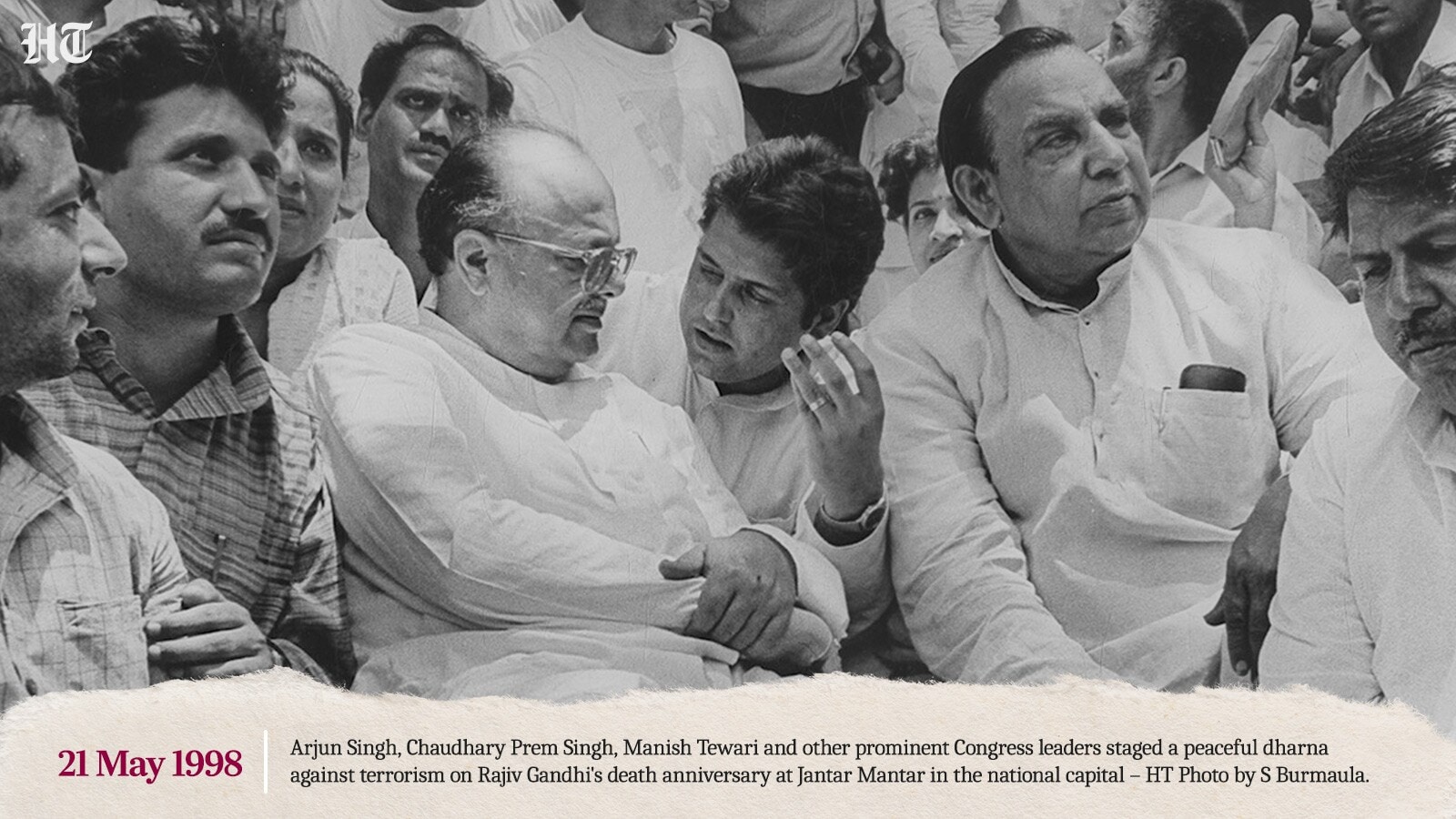
Jantar Mantar was built as an astronomical observatory, but its adjoining road gradually acquired another role. It became a place where citizens could make their grievances visible to the political establishment.
Photo: HT PhotoPublished recently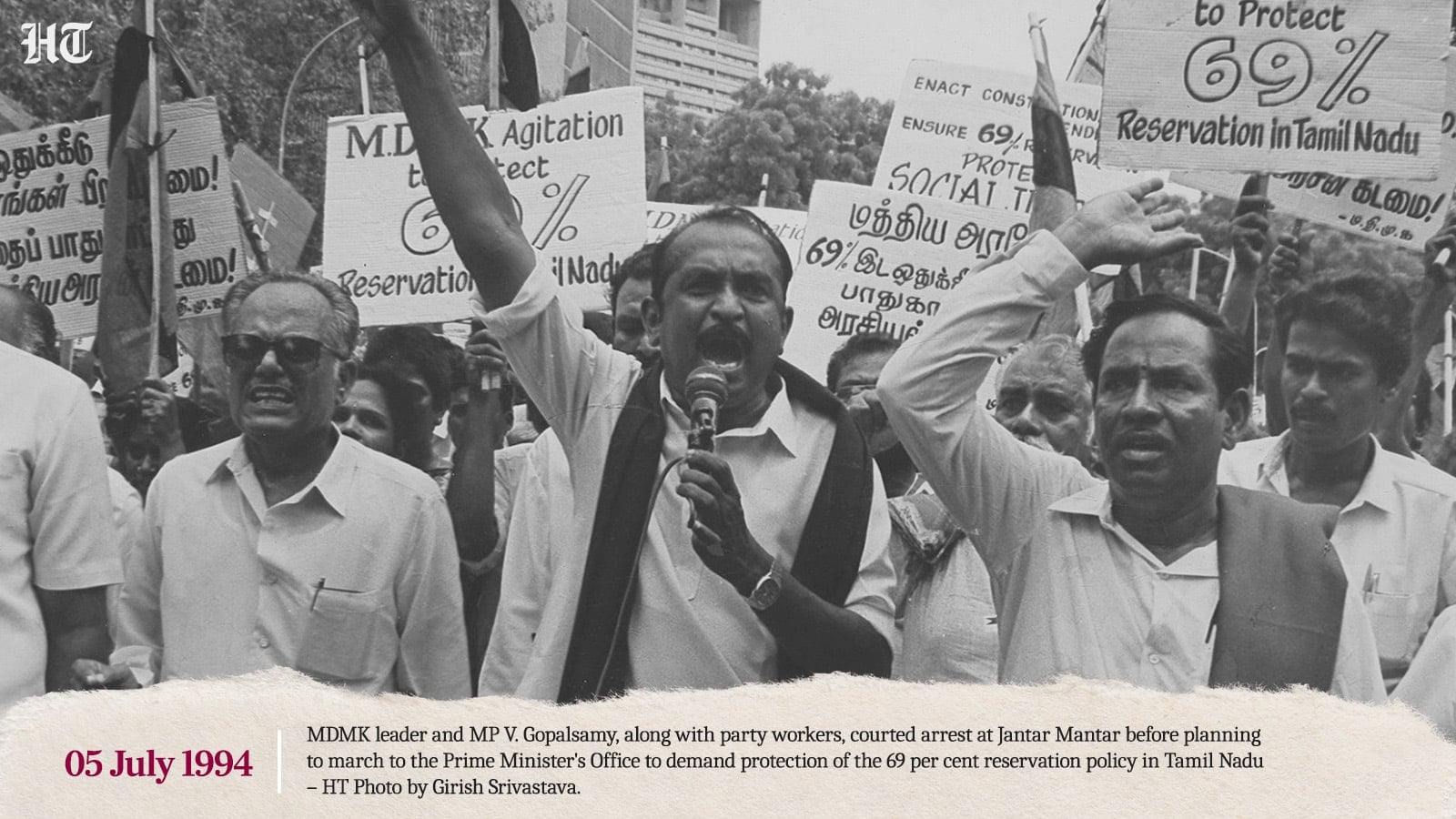
After demonstrations at the Boat Club lawns near India Gate were restricted following a major farmers’ agitation in the 1980s, Jantar Mantar became, from around 1993, the principal venue where protests in the capital were permitted.
Photo: HT PhotoPublished recently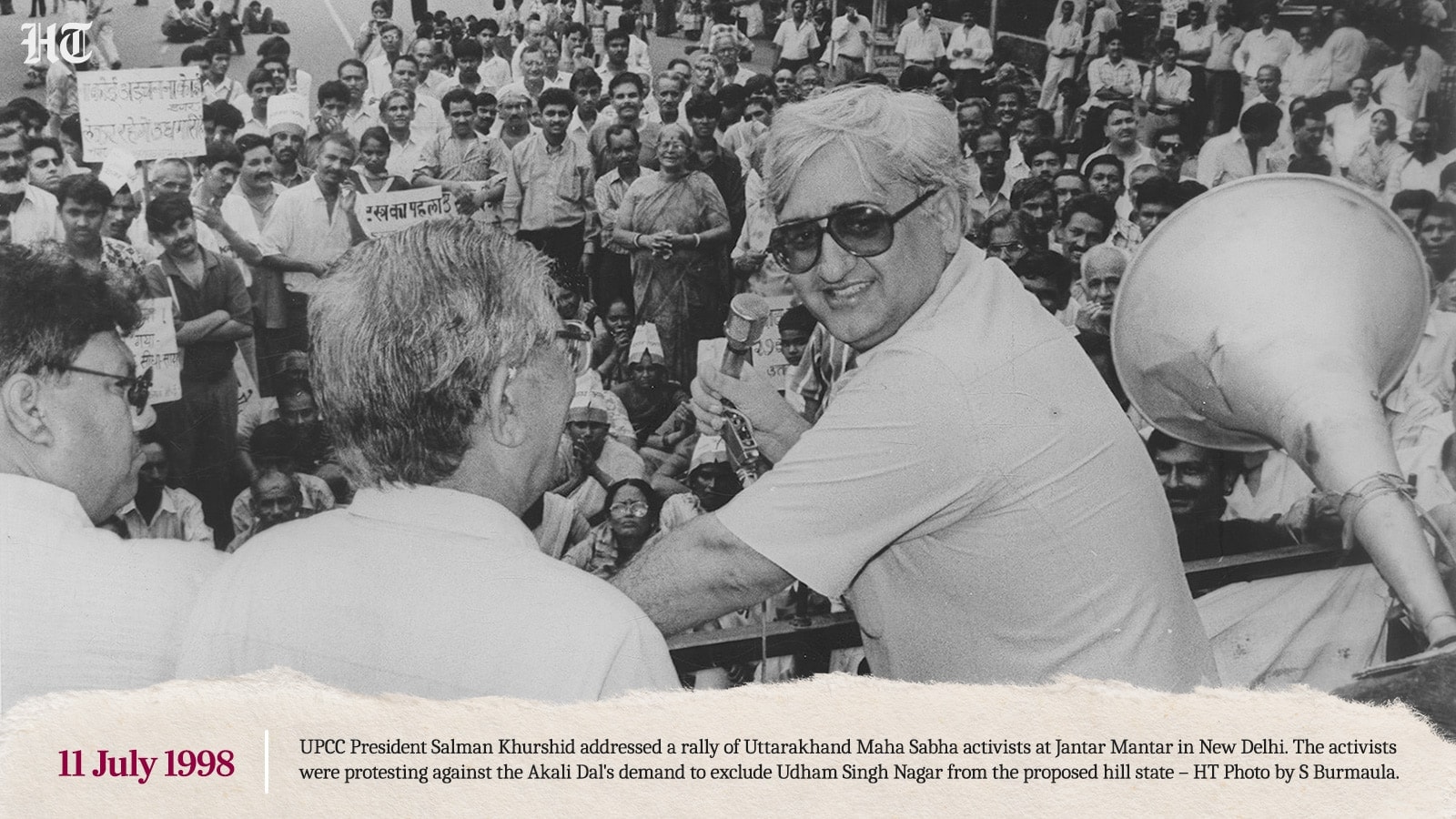
Its appeal lay not only in its central location. Protesters could gather within sight of Parliament and government offices, and the compact stretch of road made demonstrations easier to contain than large marches through the city
Photo: HT PhotoPublished recently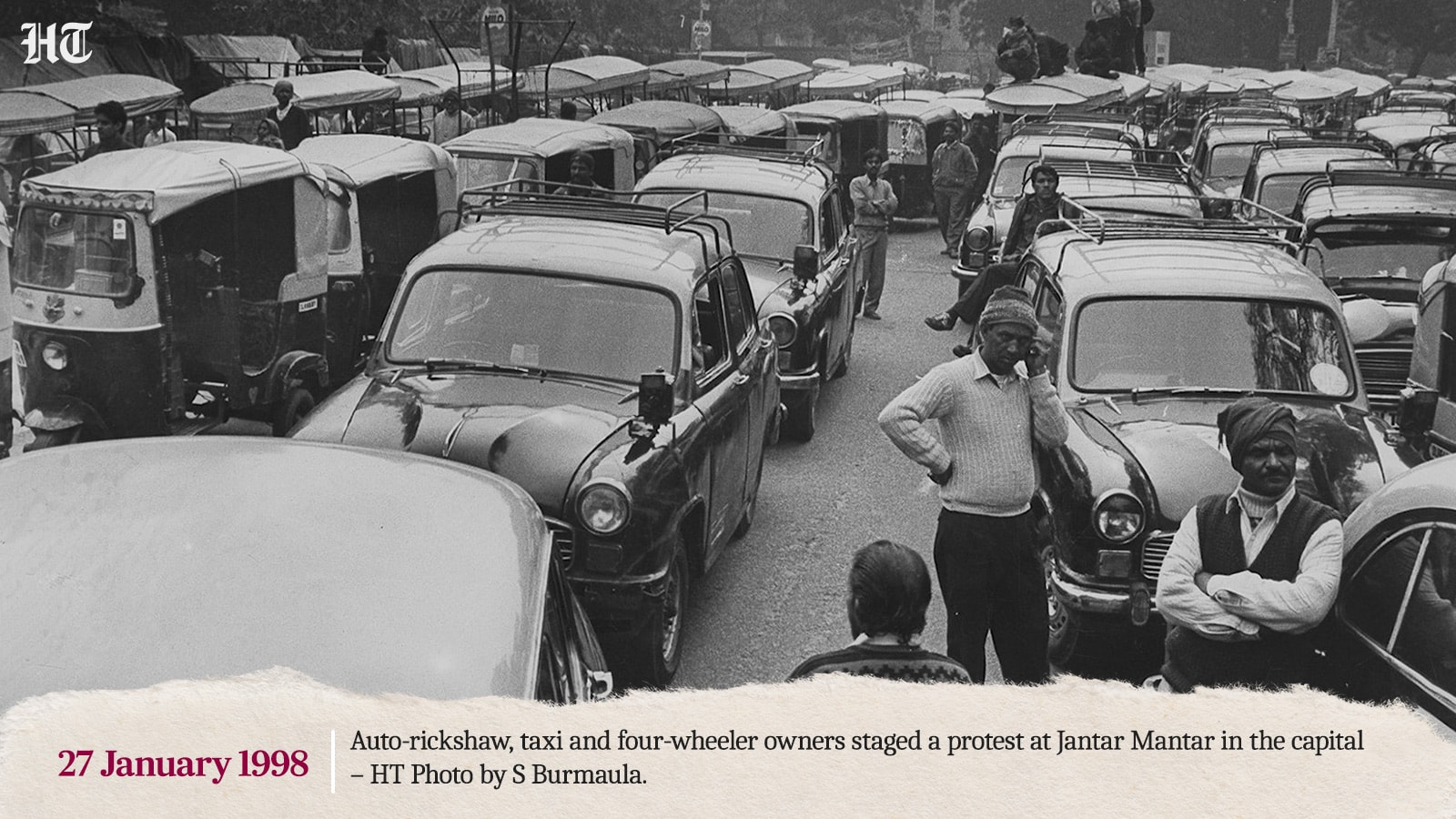
The venue has hosted demonstrations by farmers, trade unions, political parties, students, civil-society groups and individuals pursuing personal causes.
Photo: HT PhotoPublished recently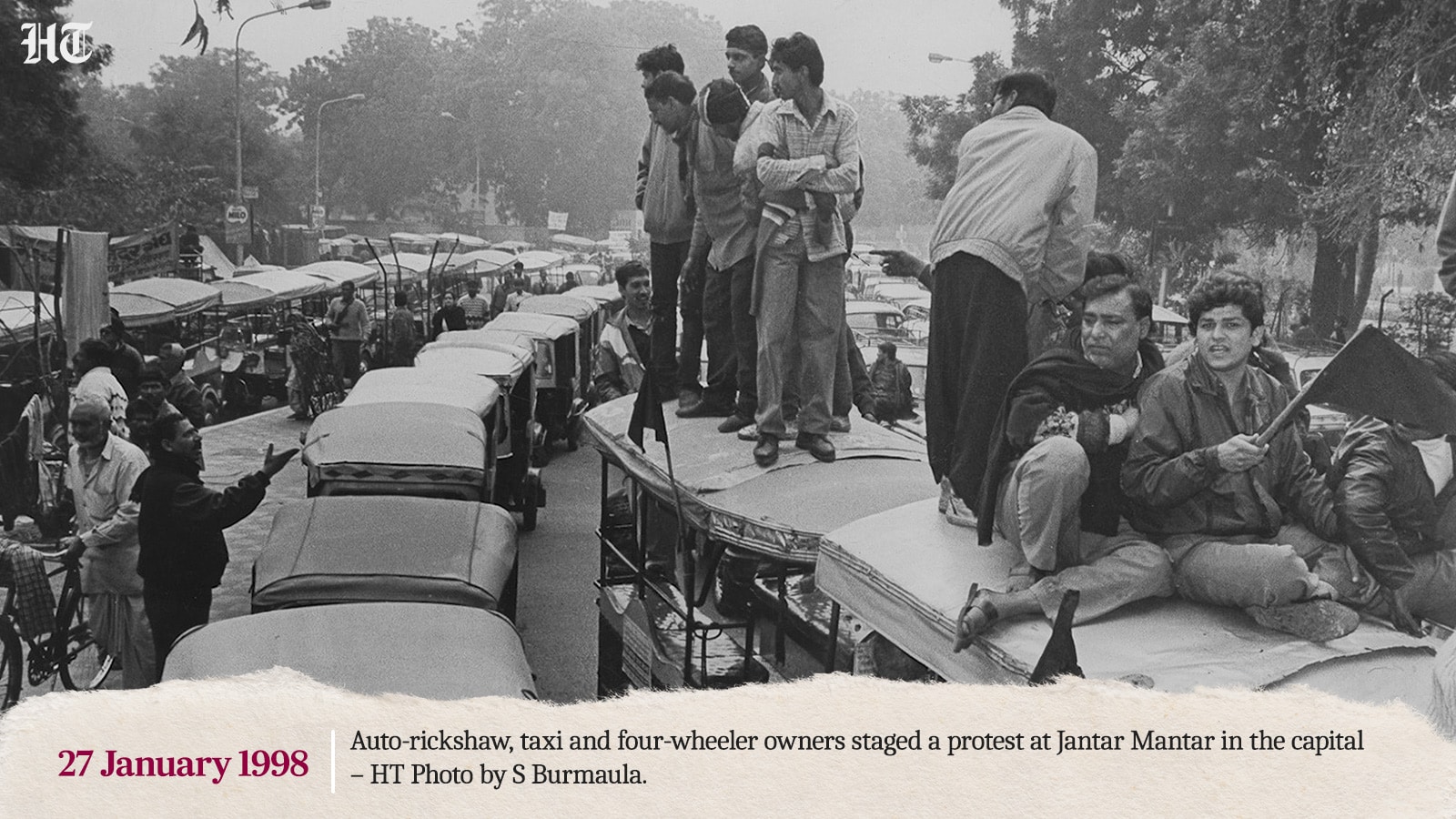
Some gatherings were brief; others became prolonged occupations, with tents and temporary structures remaining in place. That persistence, and the accompanying use of loudspeakers and public-address systems, soon became a source of conflict with residents.
Photo: HT PhotoPublished recently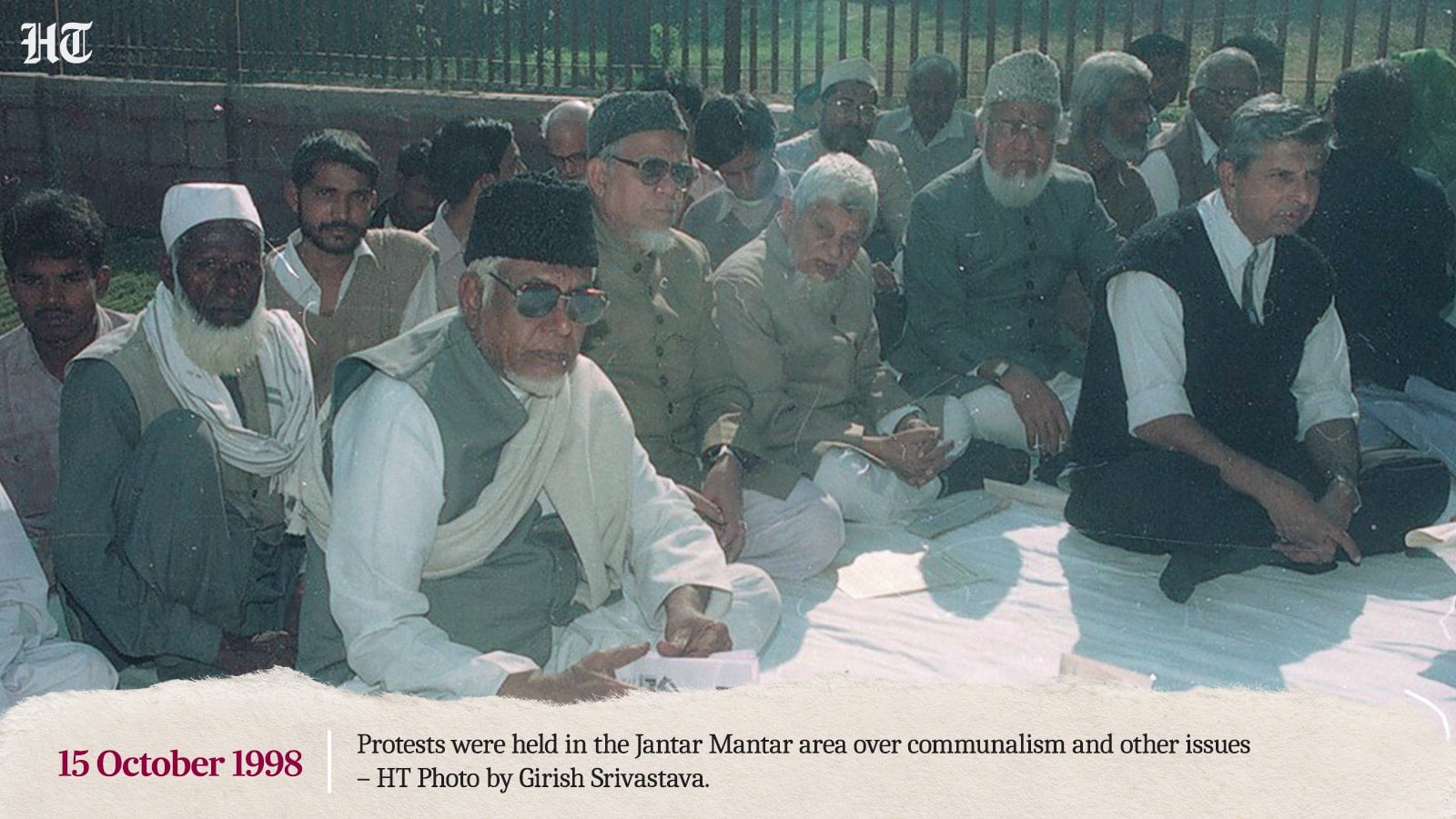
In October 2017, the National Green Tribunal (NGT) accepted a complaint by residents of Jantar Mantar Road, noting that demonstrations had become continuous and were causing noise and air pollution, sanitation problems and disruption to their daily lives
Photo: HT PhotoPublished recently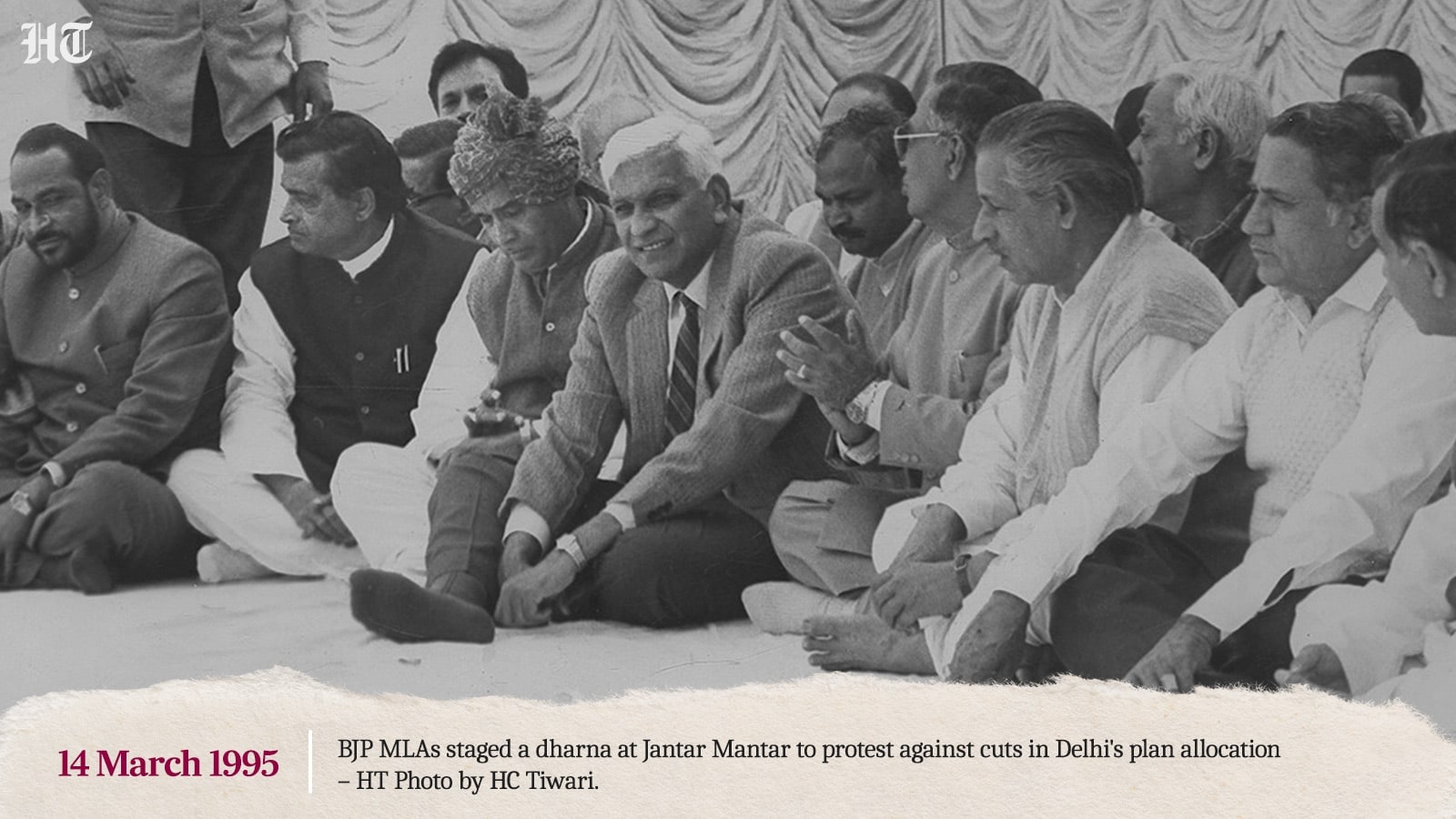
The NGT order was challenged in the Supreme Court by the Mazdoor Kisan Shakti Sangathan and other appellants, including organisations representing farmers and ex-servicemen, as well as an individual protester.
Photo: HT PhotoPublished recently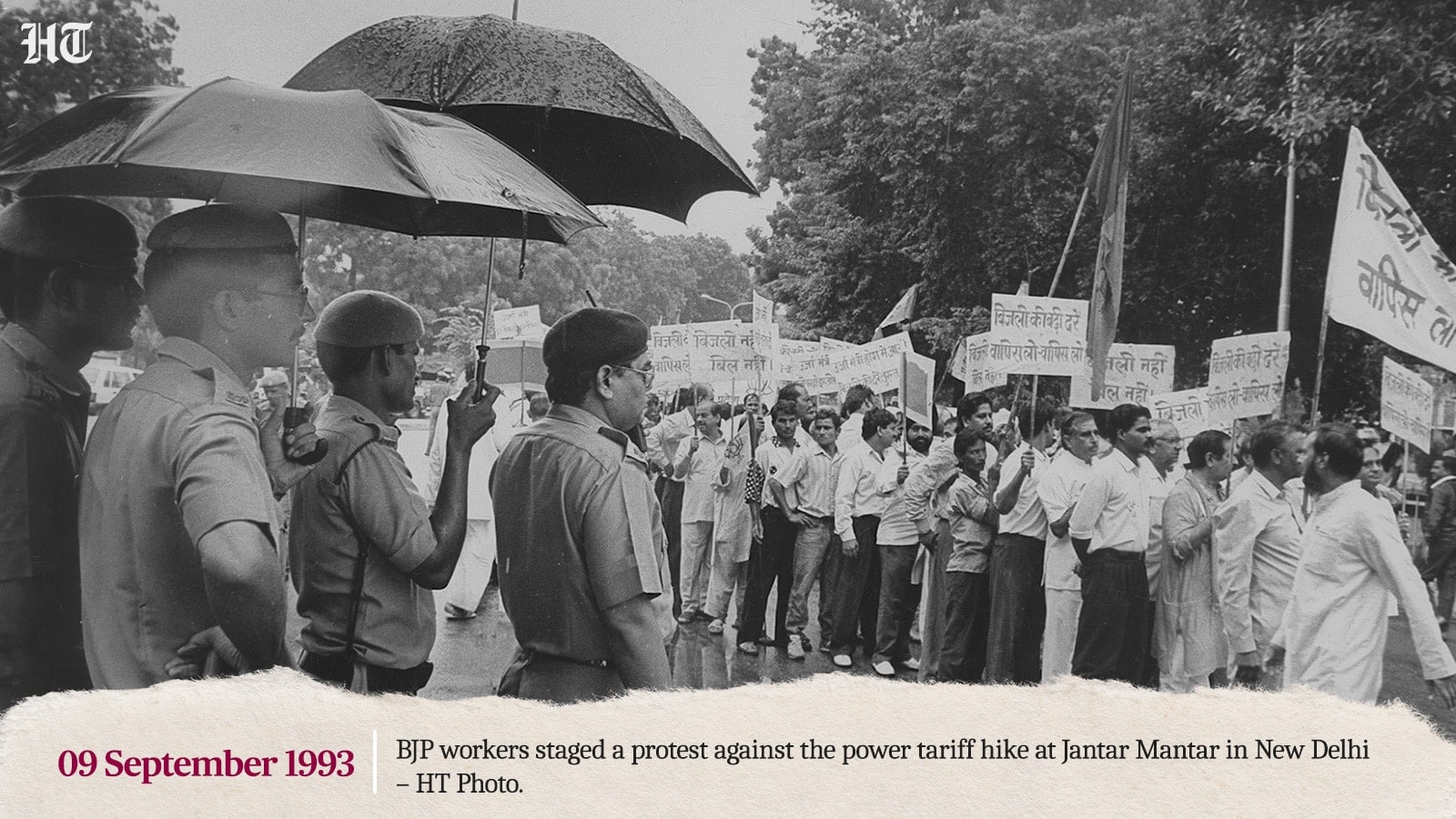
On July 23, 2018, the Supreme Court set aside the blanket prohibition. It held that peaceful demonstrations are a fundamental right, while recognising that the right is subject to reasonable restrictions in the interests of public order and the rights of others.
Photo: HT PhotoPublished recently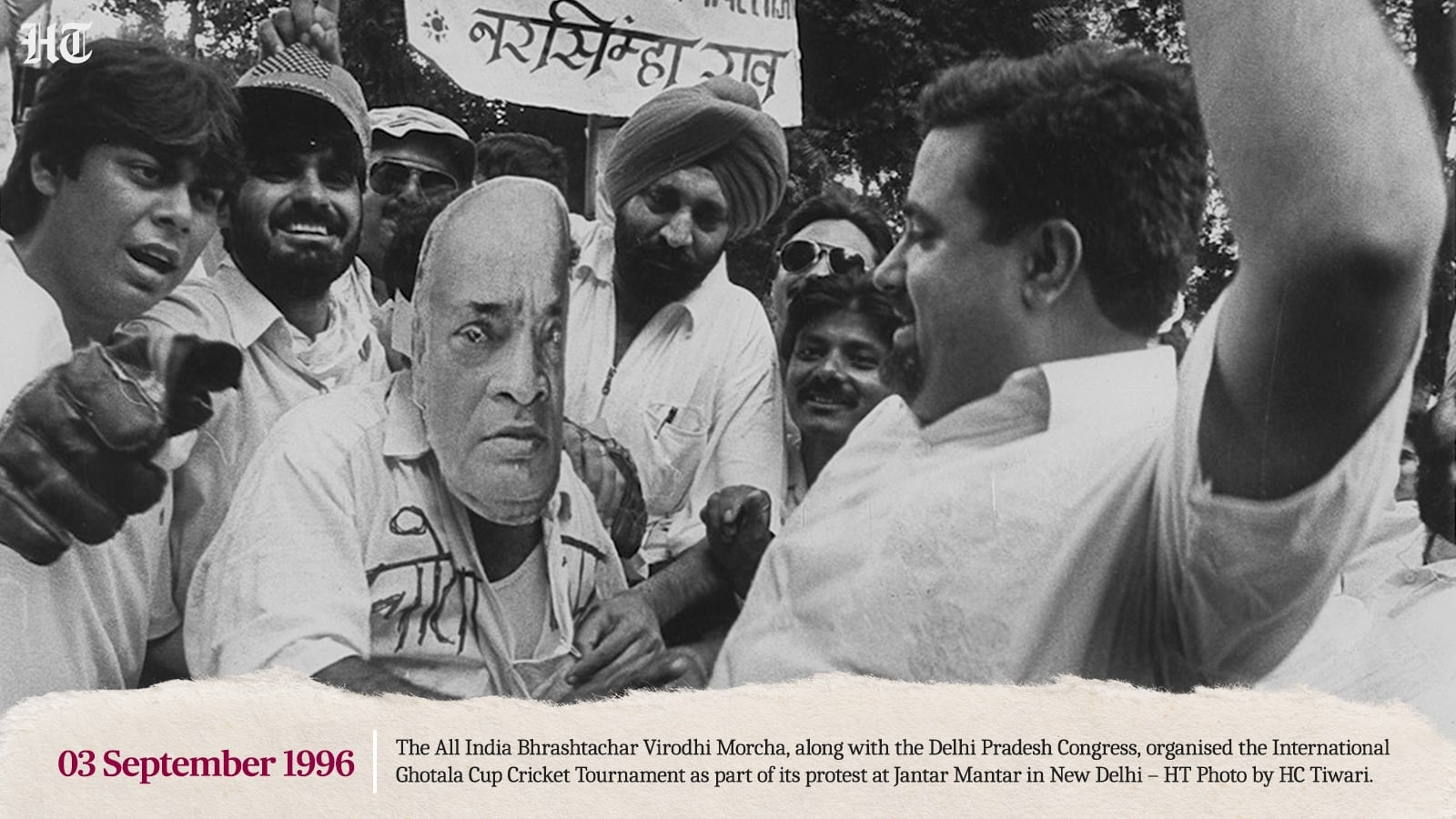
The latest change follows the Supreme Court’s October 9 observations that Delhi should consider a larger alternative site with basic facilities, including toilets, drinking water, medical assistance and space for emergency access.
Photo: HT PhotoPublished recently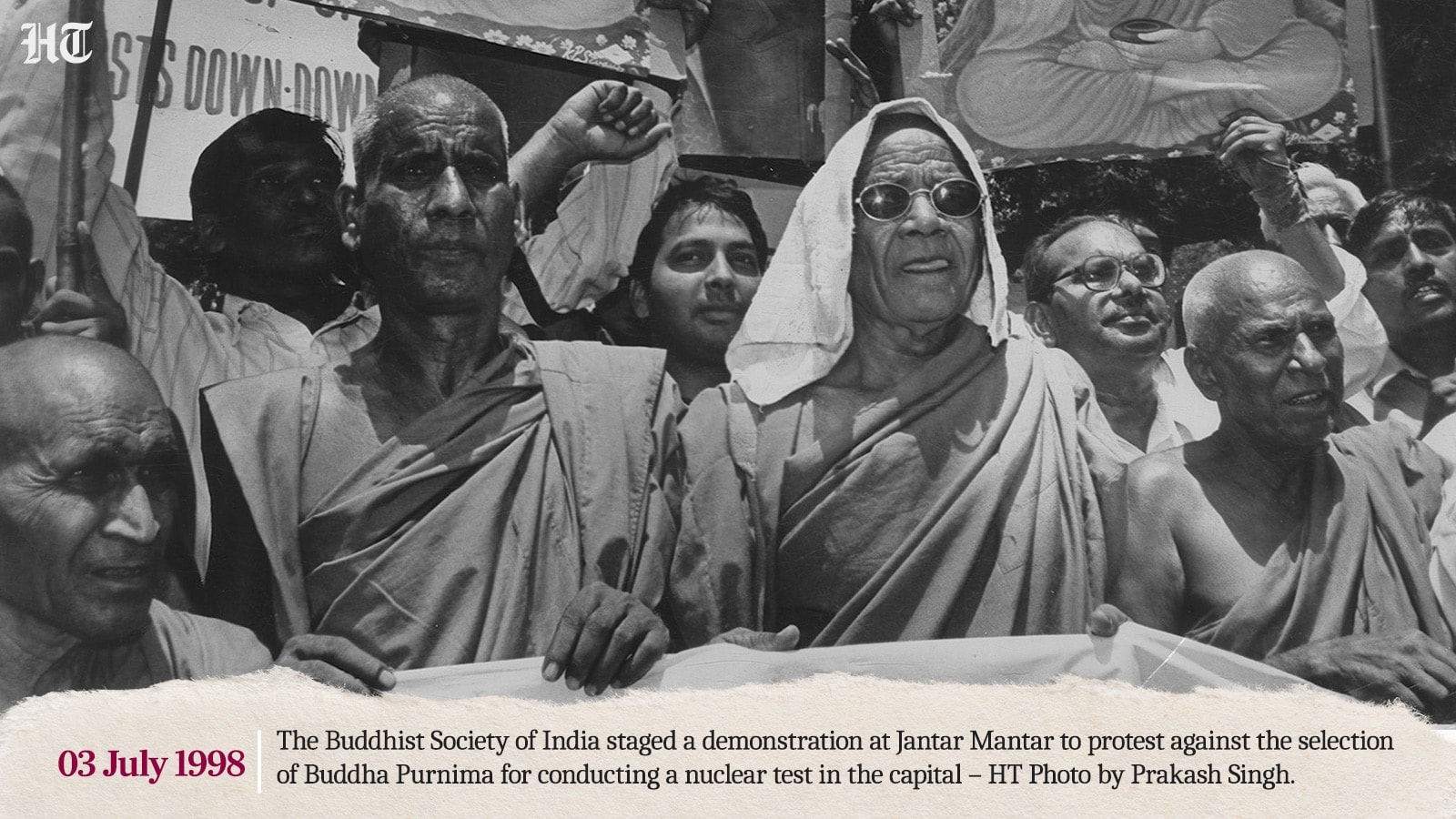
The immediate discussion arose after Delhi Police denied permission for the proposed October 10 demonstration at Jantar Mantar, while imposing extensive security measures, including restrictions on metro services and railway movements.
Photo: HT PhotoPublished recently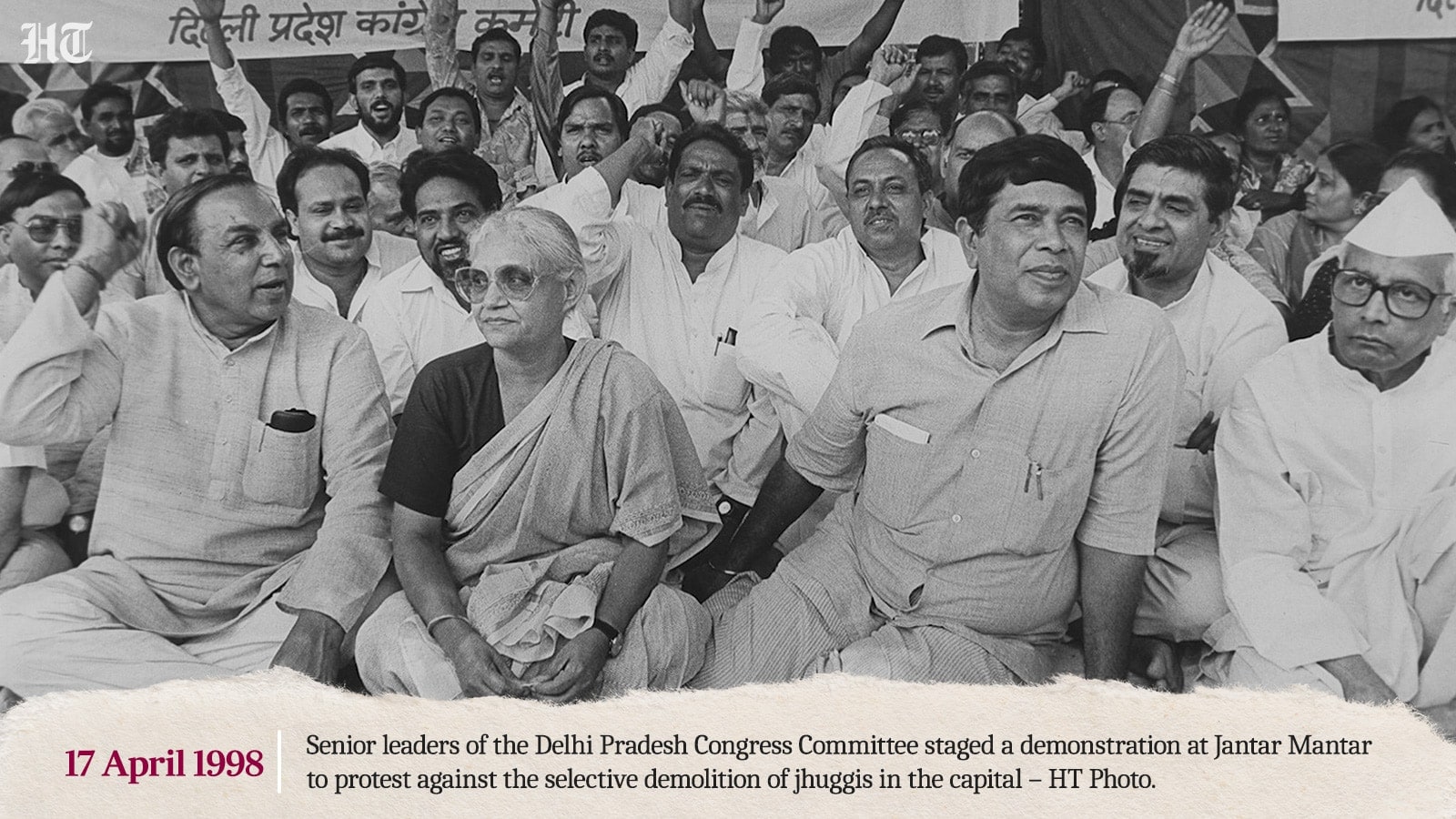
The protest, called by the Cockroach Janata Party and other groups, seeks the resignation of chief election commissioner Gyanesh Kumar over alleged irregularities in electoral-roll revisions.
Photo: HT PhotoPublished recently